About
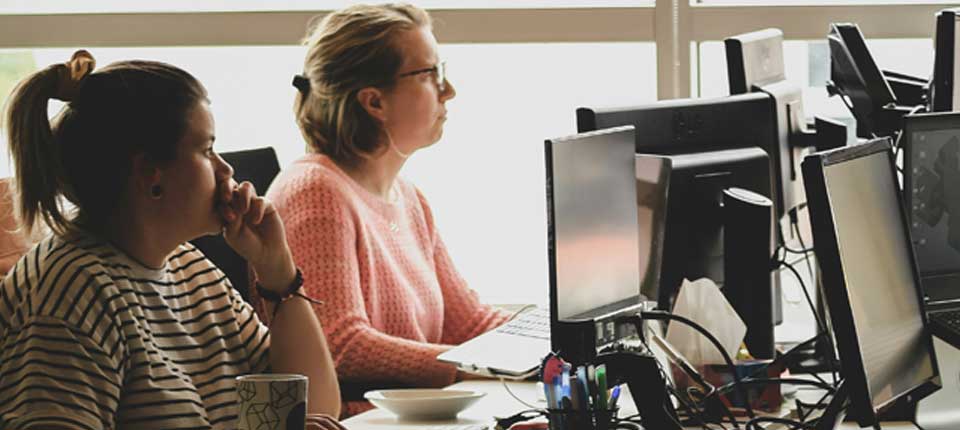
The Social Simulator is a hands-on, private environment to practice the language, tools and norms of the social web for social media PR and crisis response. We’ve helped government departments, police forces, national retailers, foreign governments and big airports to put their teams through their paces.
The Simulator uses innovative software to simulate social media debate via a number of commonly used social media platforms including Twitter, Facebook, blogs, video and online media sources. This is backed up by role-players who simulate the citizen, media and community reactions in a realistic, real time scenario – from scurrilous hashtag rumours to nasty phone calls. The Simulator works with groups from 2-50, and can take place on-site or remotely across multiple locations.
Scenarios
Our platform has been deployed to train communications, policy and front line staff in a variety of sectors using a number of scenarios:
- Terrorist attacks on a major transport hub
- A leaked report spreads anger about a government policy
- Reports of malfunctioning prescription medication
- Virulent tropical illness forces relocation of company staff to alternative premises
- Military aircraft crash in the Middle East
- Piracy in the Indian Ocean
Our simulations are designed with you and your team to ensure a realistic and convincing scenario.

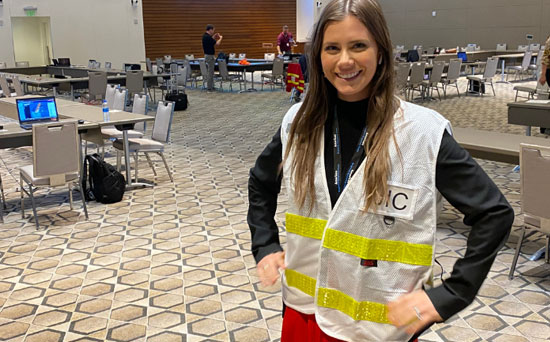
All simulations include a secure, full-scale scenario where our team runs the platform from a separate location to the crisis team who are assigned roles to deal with and manage incoming social media, press articles and a variety of other materials. Ideally suited to groups of between 5-10 key staff, this approach works particularly well, and provides a lifelike and convincing scenario.
As well as real-time inputs, we simulate key moments in the scenario – for example around a breaking broadcast media story – where large volumes of incoming material (usually news clippings) appear at once, for the exercise participants to triage and respond to.
The social simulator creates an environment that looks, feels and responds like a real world event.
How realistic is it?
Working with your crisis team, we develop a customised, branded platform that includes usernames for your teams, mock media articles on duplicates of major news sites and social media characters on social media platforms (usually Twitter and Facebook) that will be the protagonists in the scenario.
The Simulator is a close, but not 100% replica of a number of commonly used templates of Twitter , Facebook and online media sources. In the experience of the dozen or so exercises we have now run for large corporates and government organisations, the teams find the interfaces sufficiently lifelike to be a realistic stimulus.
We will also provide technical support remotely to the teams, monitoring the server and supporting users with any issues they encounter, and providing exports of the materials at the end of the exercises.
Crisis over… now what?
As part of our simulation process we encourage a full debrief of the exercise shortly after it has concluded. Ideally this takes place no longer than one to two days after the event.
A debrief includes:
- Analysis of volume, tone, response times and messaging within the platform
- Discussion of other emergency service use of social media in comparable scenarios
- Suggestions for improved use of technology and capabilities
- Provision of a number of case studies related to the exercise
We have also arranged guest speakers to further detail their experience of citizen and emergency service responses in crisis scenarios. This can be provided at an additional cost to the standard simulation package.
To find out more, please contact Steph Gray on +44 (0) 20 3012 1024 or email hello@socialsimulator.com